Source Water Resistant Eva Tool Case for Construction, Field, and Storage
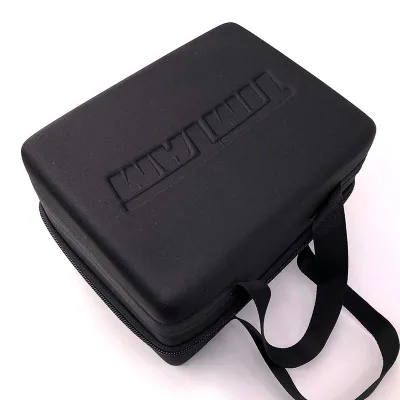
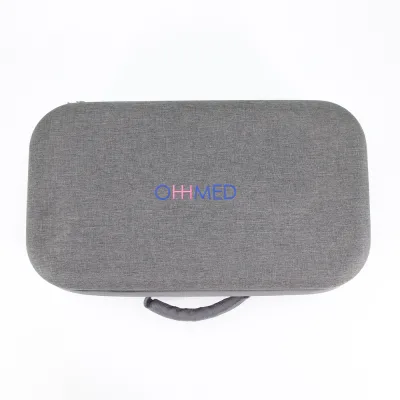
Find 30 water resistant eva tool case options from China. Compare IP67 certified models with custom foam, hard plastic handles, and engineering PP materials for reliable equipment protection. These cases offer shockproof and dustproof features, available in various capacities and styles to suit different industrial needs.
Key considerations
Products List






Comprehensive Sourcing Guide
Water Resistant EVA Tool Case Sourcing Guide
Buyers evaluating water resistant EVA tool cases must first distinguish between rigid engineering plastic shells and flexible foam-lined interiors, as the supplied data indicates a mix of materials including engineering PP and metal components. While many listings highlight waterproof and shockproof functions, the specific construction varies significantly between hand-held and wheeled styles, requiring careful verification of the outer shell material against the intended load. Procurement teams should prioritize models where the outer casing is explicitly defined as engineering PP or metal, ensuring the structural integrity matches the heavy-duty tool storage requirements rather than relying solely on the foam liner for protection.
The observed product range includes specific models like RC5001 and RS1011, which demonstrate distinct capacity levels ranging from medium to big capacity configurations. Sourcing decisions should be guided by the specific dimensions provided, such as the 462356192 mm standard for larger units, to ensure the case fits the intended inventory without excessive wasted space. Buyers must verify that the "water resistant" claim aligns with the IP67 certification observed in several listings, confirming that the sealing mechanisms are robust enough to withstand the specific environmental conditions of the intended storage or transport scenario.
Product Scope and Observed Listing Signals
The market for these cases presents a diverse array of customization options, including specific logo applications like PVC stickers, epoxy transfers, or silk-screen printing, which directly impact branding strategies. Procurement teams should note that while some listings offer customized colors, others are restricted to standard black or grey finishes, necessitating early alignment on aesthetic requirements to avoid production delays. The availability of customized foam, whether PU, EVA, EPE, or XPE, allows for precise tool organization, but buyers must confirm that the foam density and cut patterns are tailored to the specific dimensions of the tools being stored.
Listing signals indicate a strong emphasis on durability features such as soft rubber and hard plastic handles, which are critical for user comfort during transport. However, the variation in packing methods, ranging from simple polybags to robust carton boxes, suggests that logistics costs and product protection levels will fluctuate based on the selected packaging configuration. Buyers should scrutinize the "hardness" attributes, noting that some products are described as partially hard, which may influence the suitability of the case for high-impact industrial environments versus lighter commercial use.
Technical Specifications to Verify
Dimensional accuracy is paramount when selecting a water resistant EVA tool case, as the supplied data lists specific standard sizes like 33027282 mm and 28023052 mm that define the internal volume. Buyers must verify that the listed dimensions correspond to the external footprint to ensure compatibility with storage racks or transport vehicles, as internal capacity claims can be misleading without external measurements. The presence of specific model numbers like RC5018 and RS1031 serves as a reference point, but procurement teams should request detailed technical drawings to confirm that the internal foam layout matches the exact tool geometry.
Material composition varies across the observed listings, with some cases utilizing engineering PP for the shell while others incorporate metal components or polyester linings. It is essential to verify the specific material grade of the engineering PP, as this determines the case's resistance to chemical exposure and extreme temperatures. Additionally, the type of foam used, whether pre-cut or custom-molded, must be confirmed to ensure it provides adequate cushioning and does not degrade over time, which could compromise the waterproof integrity of the case during long-term storage.
Compliance and Safety Documentation
Certification verification is a critical step, as the observed data includes IP67 ratings alongside RoHS and Reach compliance, indicating a focus on both environmental sealing and material safety. Buyers should request current test reports to validate the IP67 claim, ensuring the case meets the specific ingress protection standards required for their operational environment. The presence of SGS standards in the data suggests a baseline for quality, but procurement teams must confirm that these certifications are current and applicable to the specific batch of products being ordered to avoid regulatory non-compliance.
Safety documentation should also address the materials used in the foam and shell construction, particularly regarding the potential for off-gassing or chemical leaching in enclosed storage spaces. While Reach compliance is noted, buyers must ensure that the specific foam types, such as PU or XPE, meet local safety regulations for the intended market. It is advisable to request a material safety data sheet (MSDS) for all components to verify that the product does not contain restricted substances, ensuring full compliance with international trade requirements and workplace safety standards.
Cost Drivers and Commercial Terms
Pricing in this category is heavily influenced by the level of customization, particularly regarding logo application and foam configuration, which can significantly alter the unit cost. The observed MOQ range of 1 to 1000 units suggests that smaller orders may incur higher per-unit costs, while bulk purchases can leverage economies of scale, especially for standard models like RS1010. Buyers should negotiate based on the specific complexity of the foam cut and the chosen logo method, as custom molds or specialized printing techniques often carry additional tooling and setup fees that impact the final commercial terms.
Packaging requirements represent another significant cost driver, with options ranging from simple polybags to reinforced carton boxes that offer superior protection during transit. The choice of packing method should be aligned with the shipping distance and handling conditions, as more robust packaging increases the overall landed cost but reduces the risk of damage. Procurement teams must clarify whether the quoted price includes the cost of custom packaging, such as the specified carton boxes for models like RC5004, to avoid unexpected expenses during the final stages of the order fulfillment process.
Supplier Qualification and Quality Control
Supplier qualification should focus on verifying the manufacturing capabilities for custom foam cutting and shell molding, as the data indicates a high degree of customization in foam types and logo placement. Buyers must assess the supplier's ability to maintain consistency in the engineering PP shell thickness and the precision of the foam inserts, which are critical for the case's protective performance. It is advisable to request samples of the specific model numbers, such as RC5001, to evaluate the quality of the soft rubber handles and the durability of the sealing mechanisms before committing to a larger order.
Quality control protocols must include rigorous testing of the waterproof and shockproof claims, ensuring that the IP67 rating is maintained across the entire production batch. Suppliers should demonstrate a clear process for inspecting the foam density and the alignment of the logo printing, as defects in these areas can compromise the product's functionality and aesthetic appeal. Buyers should establish a clear acceptance criteria based on the observed standards, such as the specific dimensions and material grades, to ensure that the delivered products meet the required specifications and performance expectations.
Long-Term Procurement Checks
Long-term procurement strategies should prioritize the stability of the supply chain for custom components, such as the specific foam types and logo materials, which may have longer lead times than standard items. Buyers must monitor the supplier's ability to maintain consistent quality over multiple production runs, particularly for customized orders where tooling and molds are involved. Establishing a relationship with a supplier who can reliably produce the specific model numbers, like RS1031, ensures that future replacements or expansions of the inventory can be managed without significant disruptions or quality variances.
Regular audits of the product performance in real-world conditions are essential to validate the long-term durability of the water resistant EVA tool cases. Buyers should track the performance of the IP67 sealing and the structural integrity of the engineering PP shells under repeated use to identify any potential degradation or failure points. By maintaining a feedback loop with the supplier regarding field performance, procurement teams can proactively address any issues and ensure that the product continues to meet the evolving needs of the organization over time.
FAQs
What certifications do these tool cases have?
These tool cases typically carry IP67 certification for waterproof and dustproof protection. Some models also include RoHS and Reach compliance for material safety. This ensures the cases meet international standards for durability and environmental regulations, making them suitable for industrial and outdoor tool storage applications.
Can I customize the logo on the case?
Yes, logo customization is available for these cases. Options include PVC stickers, epoxy stickers, transfer stickers, or silk-screen printing. You can choose the method that best fits your branding needs, allowing for professional identification of your tools or company assets in various industrial environments.
What materials are used to make these cases?
The cases are primarily made from engineering PP plastic for the outer shell, providing shockproof and waterproof durability. Some variants may use metal or include polyester inside materials. The foam inserts are customizable using PU, EVA, EPE, or XPE to securely hold specific tools and equipment.
What are the standard dimensions for these cases?
Standard dimensions vary by model, such as 330x272x82mm or 462x356x192mm. Sizes range from medium to big capacity to accommodate different tool sets. You can select a model that fits your specific equipment, ensuring optimal protection and organization while maintaining a portable and hand-held design.
Is custom foam available for tool organization?
Custom foam is available to organize your tools effectively. You can choose from PU, EVA, EPE, or XPE materials. Pre-cutting or custom foam options allow you to create precise compartments for your specific tools, ensuring they remain secure and protected during transport and storage in rugged conditions.
What is the minimum order quantity for customization?
The minimum order quantity for customized packaging is typically 400 units. Standard packing includes polybags and carton boxes. For other customizations like logos or foam, MOQs may vary. Contact suppliers directly to confirm specific requirements for your order size and desired customization level to ensure smooth production.